A AnesthesiaTesting.com Perioperative planning platform · v0.5
INTRA-OPERATIVE · Risk Management · Patient optimization & risk summary

Risk Assessment & Guidelines Based Care

Consolidates validated anesthesia-relevant risk calculators and patient-specific inputs for perioperative planning. This tool helps clinicians anticipate physiologic risk, procedural complexity, and care considerations before entering the operating room.
Calculators are grouped by system in the order of a typical pre-operative assessment. Switching tabs never clears data.

  1. 1Input patient age, sex, and procedure. No data or PHI is stored.
  2. 2Select a tab in the workflow, then choose a calculator.
  3. 3Complete the inputs.
  4. 4Watch assessment text accumulate results with live updates.
  5. 5Use the copy/paste/print functions for quick reference and insertion to clinical notes.
  6. 6Find patient summary snapshots at the bottom of this page.
ASA Physical Status
Clinical classification of pre-anesthetic physical status.
ASA class
Emergency modifier (E)
Duke Activity Status Index (DASI)
Functional capacity → estimated METs.

Are you able to… (mark Yes for each that the patient can perform)
Charlson Comorbidity Index (age-adjusted)
Charlson 1987; weighted comorbidity burden with estimated 10-year survival.
Liver disease
Diabetes mellitus
Solid tumor / malignancy
ECOG Performance Status
Eastern Cooperative Oncology Group scale of how a patient's illness affects daily living.
Performance status
Mallampati
Visual airway classification.
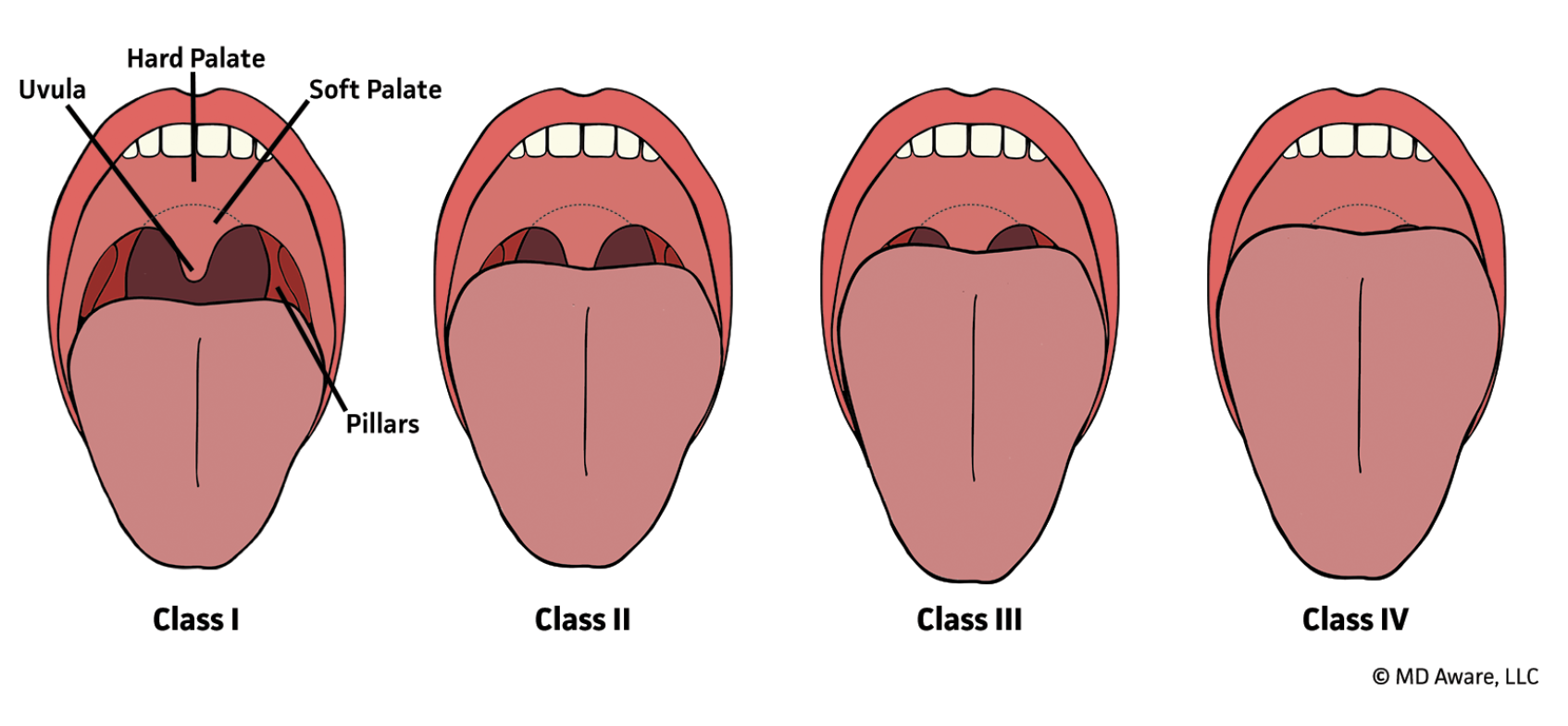
Mallampati class Class I: soft palate, uvula, fauces, pillars visible. Class II: soft palate, uvula, fauces visible. Class III: soft palate and base of uvula visible. Class IV: only hard palate visible.
Mallampati classification diagram showing classes I through IV

Faucial pillars, soft palate, and uvula visualized

Faucial pillars and soft palate visualized, but uvula masked by tongue base

Only soft palate visualized

Soft palate not visualized

Revised Cardiac Risk Index (RCRI)
Lee 1999; six equally-weighted predictors.
High-risk surgery (suprainguinal vascular, intrathoracic, intraperitoneal)
History of ischemic heart disease
History of congestive heart failure
History of cerebrovascular disease
Insulin-treated diabetes mellitus
Preoperative creatinine > 2.0 mg/dL
Gupta Myocardial Infarction Cardiac Arrest (MICA)
Computed natively from the published Gupta logistic model (Circulation 2011).
Functional status
Serum creatinine
SORT — Surgical Outcome Risk Tool
Native 30-day mortality model — original SORT (Protopapa et al, BJS 2014). sortsurgery.com also offers SORT v2, which additionally blends a clinician estimate (captured below). Replaces the proprietary NSQIP calculator.
How major is the operation? Pick the level that best fits the planned procedure. Minor: skin lesion, scope, small biopsy. Intermediate: hernia repair, tonsillectomy. Major: bowel resection, joint replacement. Xmajor / complex: major cancer, aortic, or large abdominal surgery.
How soon is the surgery? Elective: planned in advance. Expedited: needed within days. Urgent: needed within hours. Immediate: life- or limb-saving, right away.
Is this gastrointestinal, thoracic, or vascular surgery? These three specialties carry higher risk in the SORT model.
Does the patient have cancer (active within the last 5 years)?
Optional. Your clinical estimate of the chance of death within 30 days, ideally agreed by the senior perioperative team. SORT v2 (Wong et al, PLOS Med 2020) blends this with the score below, but its exact formula is not published, so this tool just records your estimate next to the objective score.

This number is the objective SORT score only (the published 2014 model). It does not include the clinician's own estimate that SORT v2 adds. Any estimate you pick above is saved in the note next to this score, not mixed into it.

ARISCAT for Post-Op Pulmonary Complications
Canet 2010; weighted predictors of postoperative pulmonary complications.
Age
Preop SpO₂ (room air)
Respiratory infection in past month
Preop anemia (Hb ≤ 10)
Surgical incision
Duration of surgery
Emergency surgery
Gupta Postoperative Respiratory Failure
Computed natively from the published Gupta logistic model (CHEST 2011).
Functional status
Preoperative sepsis status
Emergency case
STOP-BANG for Obstructive Sleep Apnea
Chung 2008; eight binary factors.
Snoring loudly
Tired during the day
Observed apnea during sleep
High blood pressure
BMI > 35
Age > 50
Neck > 40 cm (~16 in)
Male
Apfel for Post-Operative Nausea/Vomiting
Apfel 1999; four risk factors.
Female sex
Nonsmoker
History of PONV or motion sickness
Anticipated postoperative opioids
Model for End-Stage Liver Disease (MELD)
Kamath 2001; leave blank if hepatic dysfunction is not a concern.
Dialysis ≥2× in past 7 days
Medication Reconciliation
Paste the active medication list; an organized table is appended to the bottom of the note.

Paste the Patient's Active Medication List.

Spelling Matters. The tool checks each line against an expanded drug dictionary, so a misspelled, abbreviated, or oddly written name may not be recognized.

One Medication Per Line. The tool references an expanded drug dictionary, so a misspelled, abbreviated, or oddly written name may not be recognized. Anything it cannot match is listed under “Unclassified: Manual Review.” Both brand and generic names are accepted.

Everything runs in your browser. No information is recorded or stored. Include:  1) Medication Name, with or without the dose 2) Date of Last Dose Taken.

SGLT2 Inhibitor Perioperative Reconciliation
Companion tool for euglycemic-DKA-risk medication holds. Generates structured documentation and a Green/Yellow/Red review prompt in the note.
SGLT2 inhibitor detected on the medication list
No medication list entered yet (enter it on the Medication Reconciliation tab).
Patient reports taking an SGLT2 inhibitor?
Hold instruction given to patient?
Patient understands the hold instruction?
Compliant with the hold as instructed?
Symptoms reported at the time of call Symptoms that may prompt clinician review for a possible metabolic concern. Select all that apply.
Relevant labs available
Diabetes status capture (helps stratify QI data)
Patient-reported diabetes?
Diabetes coded in EHR / on problem list?
ACS NSQIP Surgical Risk Calculator External site
Proprietary, procedure-specific (CPT-level) model that can't be reproduced offline. Opens on the ACS website; record the key values here to add them to the note.

Assessment Template0/15 sections complete

Copy and paste into the PAT note. Edit as appropriate.

Fill in inputs to generate the assessment text.

Educational reference only. Not clinical decision support. The generated text is a starting point; the responsible clinician edits per clinical judgment, institutional policy, and current guidance.

Perioperative Risk Summary

Snapshot of calculator outputs entered above, in order of workflow. Educational reference; defer to local protocol and judgment.

CalculatorResult / OutputRisk interpretation & summary

Medication Reconciliation & Recommendations

Recommendations reflect common perioperative guidance tied to procedure date and are educational. Final hold/continue decisions defer to the attending and institutional protocol.

Medication / classSystem / categoryReconciliation status / findingRecommendation & timing

No medications entered yet. Paste a list on the Medication Reconciliation tab (and complete the SGLT2i tab if relevant) to populate this table.